CHAPTER 2
Development & Renovation
My interest in adaptive reuse began as a personal pursuit rather than a business — early projects in Brooklyn and rural New York became laboratories for experimenting with space, materials, and design.
OVERVIEW
Over time, those experiences evolved into a broader approach to redevelopment. I became interested in how design, resourcefulness, and construction knowledge could unlock value in underutilized properties while creating spaces that felt authentic, distinctive, and connected to their history.
I believe successful redevelopment isn’t about maximizing square footage or minimizing cost — it’s about creating environments people genuinely enjoy inhabiting. Buildings with character and a sense of place tend to attract people who appreciate them, and care for them in return.
SKILLS DEMONSTRATED
Adaptive Reuse
Value Engineering
Project Leadership
Property Evaluation
Budget Development
Space Planning
Permitting & Approvals
Design Development
Historic Structures
Construction Management
Tenant-Focused Design
Representative projects
-
01
Brooklyn Girdle Factory
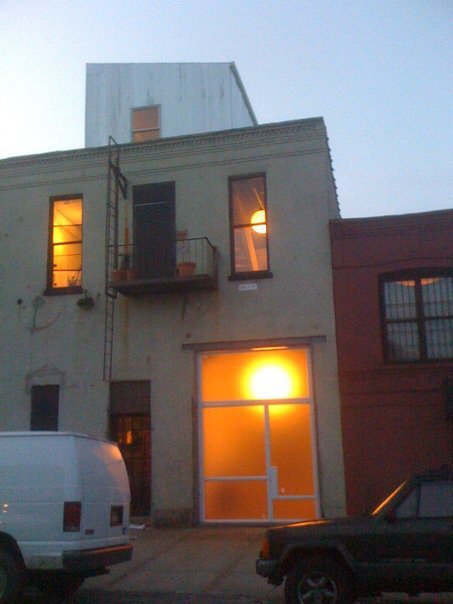
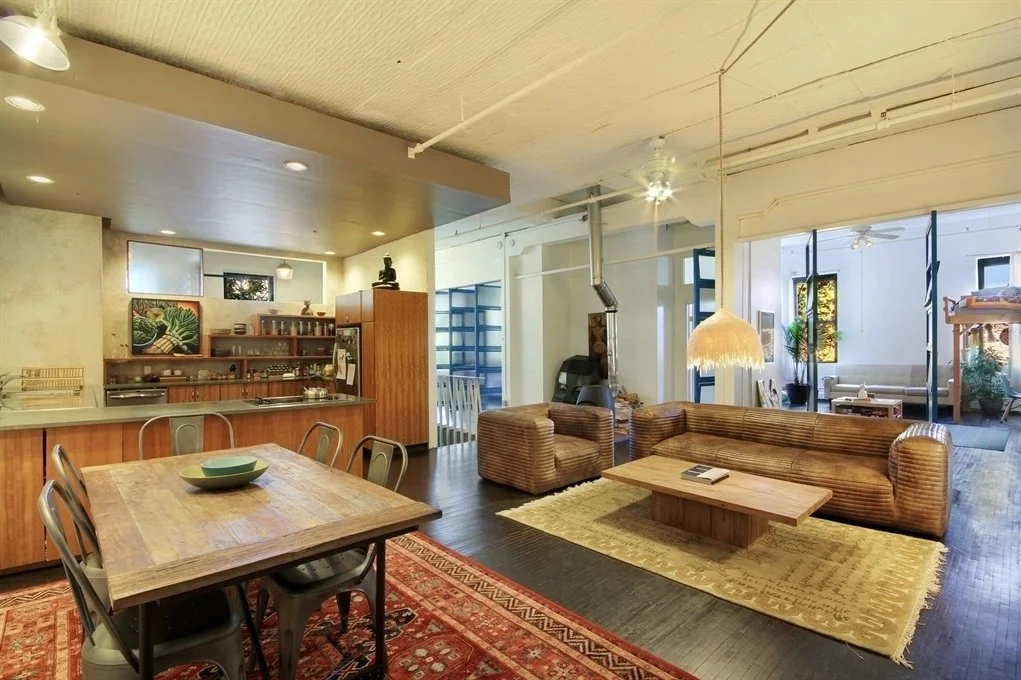
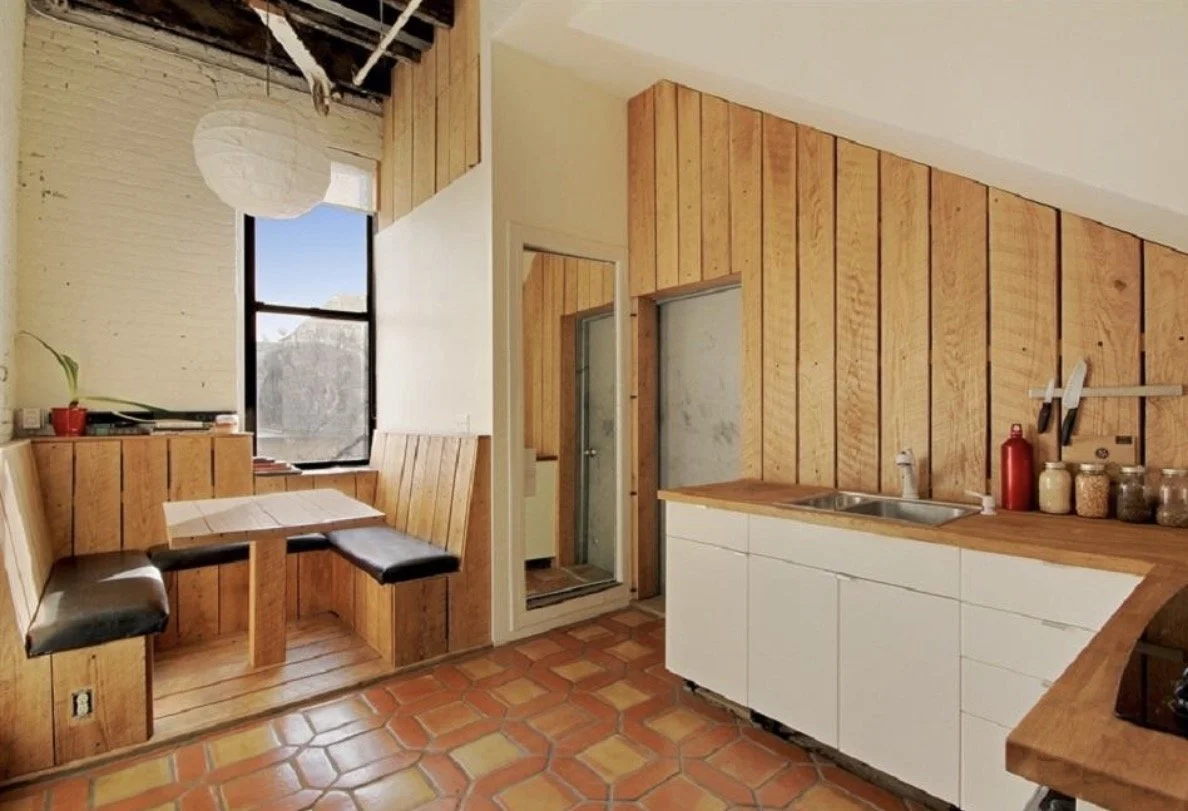
Where I first asked what makes a place feel like home. It wasn’t about expensive finishes — it was morning light through an old factory window, a worn timber column holding up the ceiling, the feeling of living somewhere with history. Over twenty years the building became a workshop, a home, and a laboratory: the smallest details are often the ones people connect with most.
-
02
Early 19th Century Farmhouse
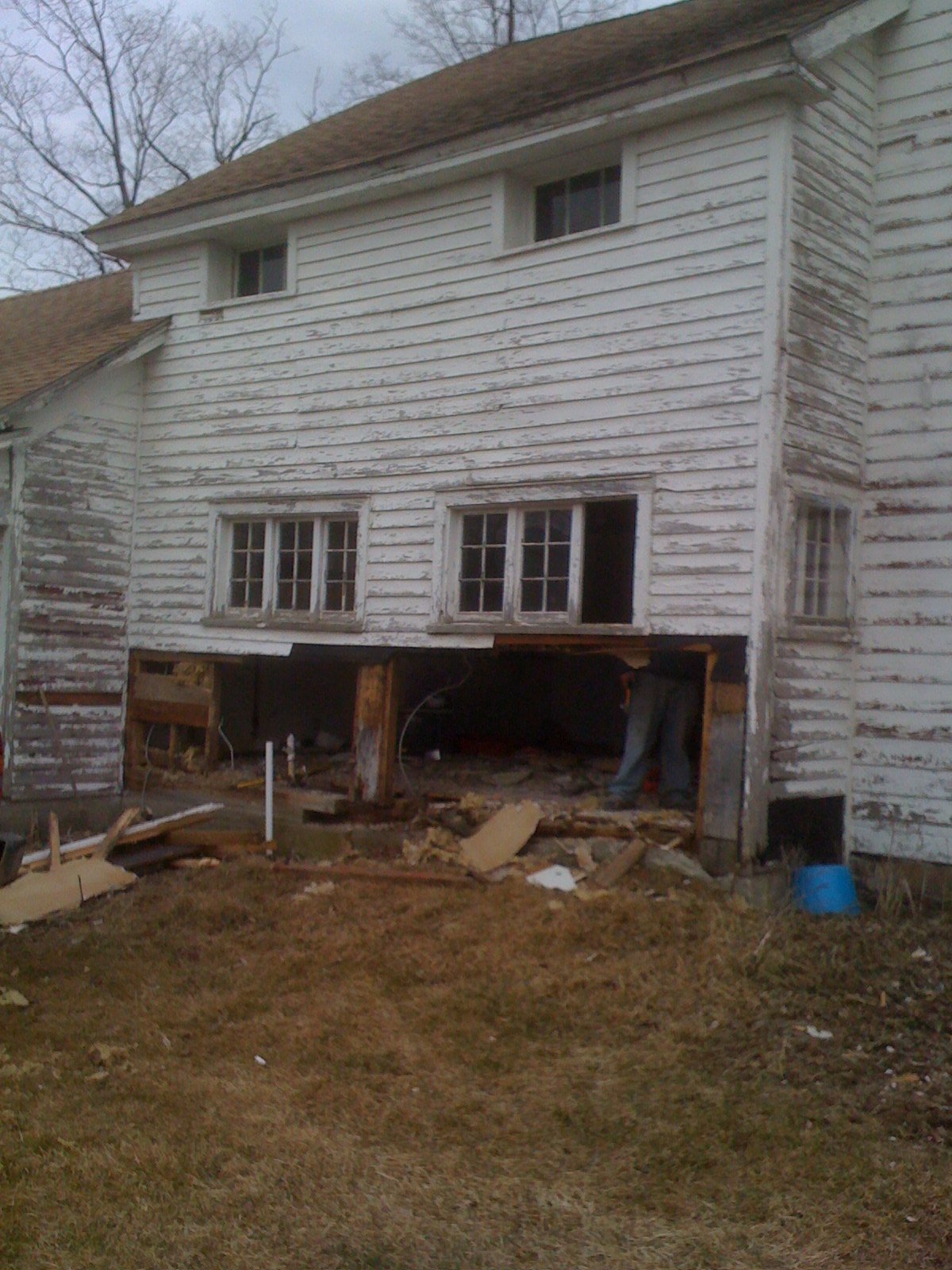
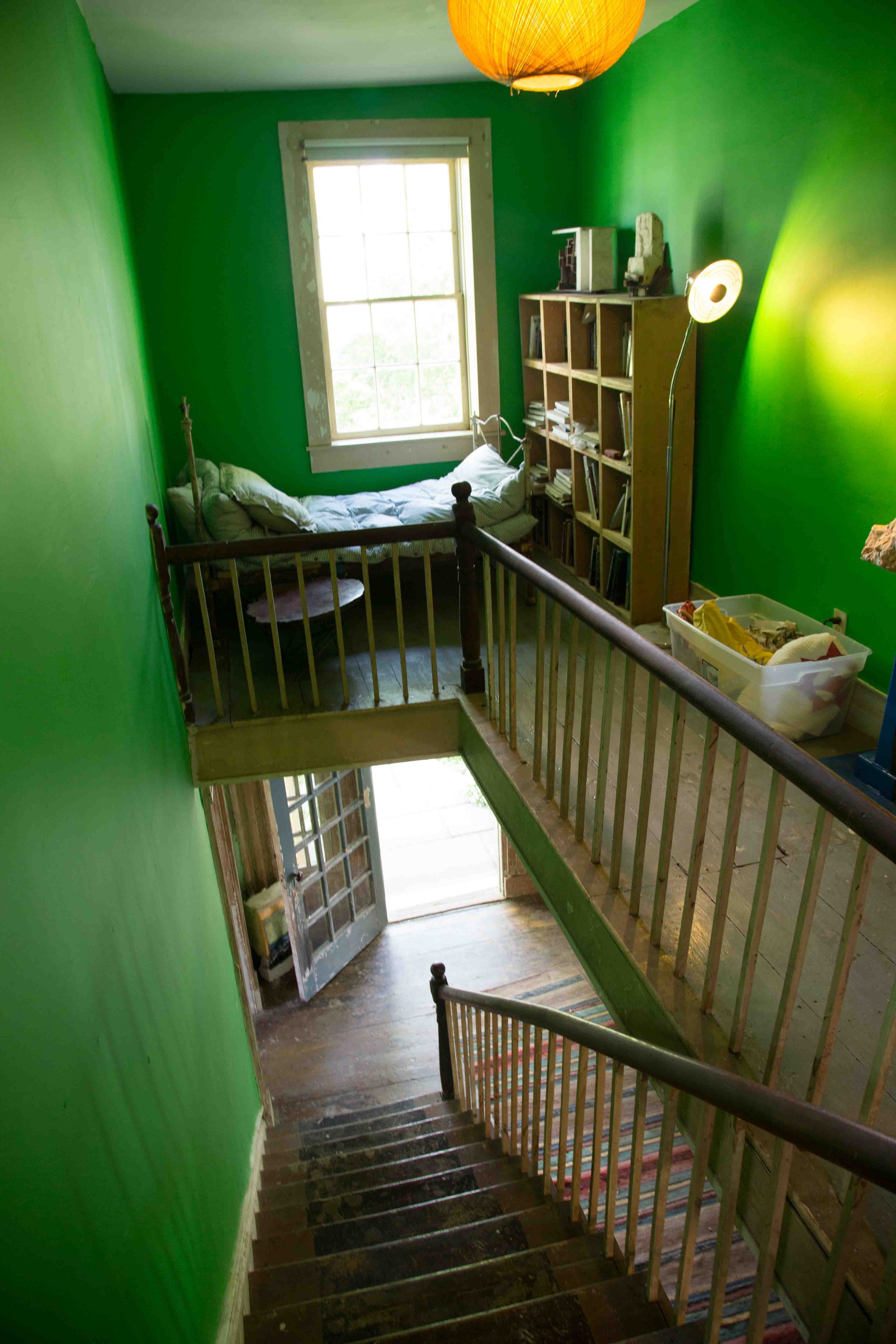
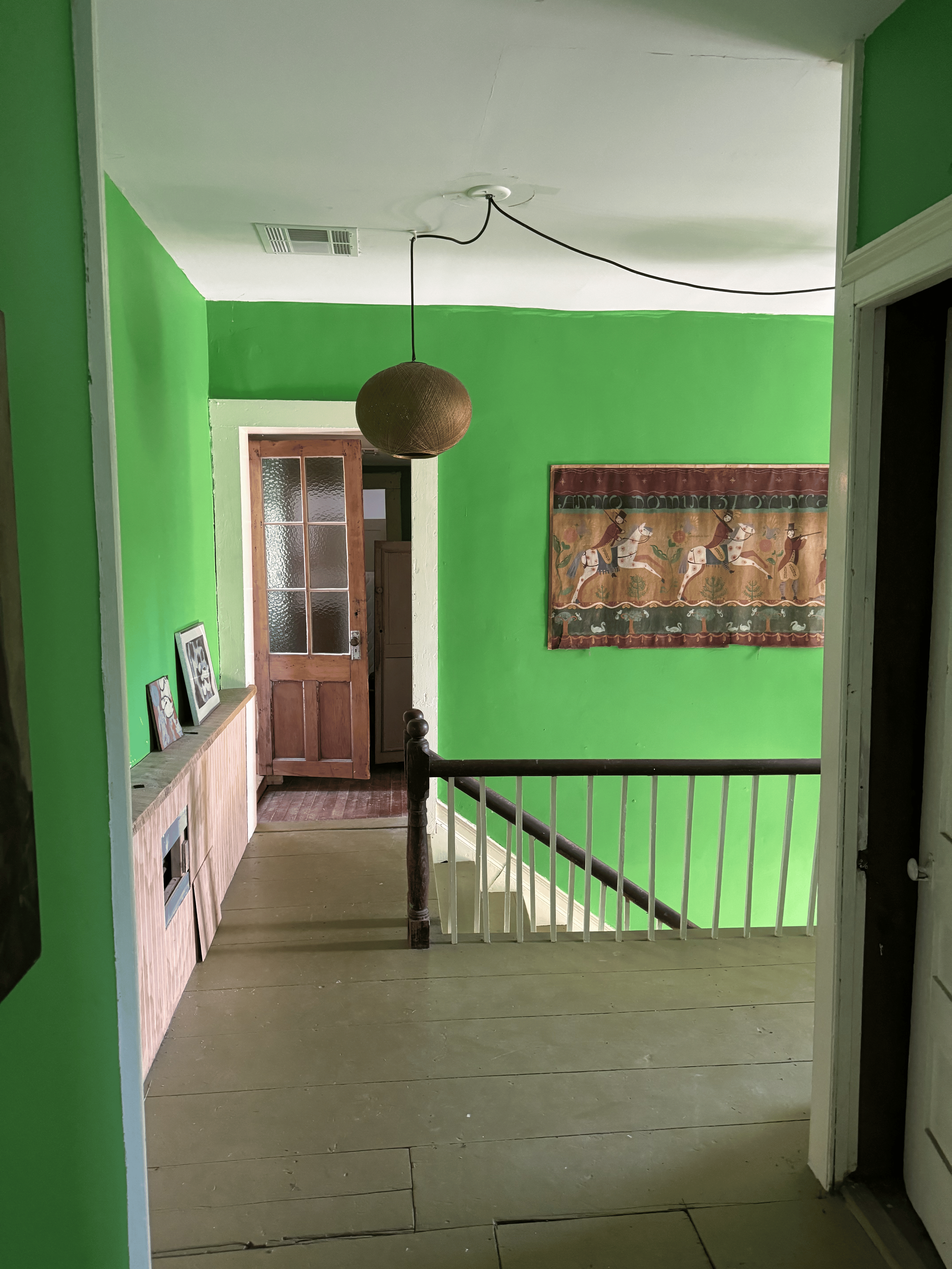
The farm taught me that not everything needs to be finished. I stripped away decades of renovations until the house felt like an old farmhouse again, then chose to live with its uneven floors, crooked trim, and wavy glass. There isn’t always a finish line — buildings, like people, keep changing, and the most meaningful places leave room for the next chapter.
-
03
Melwood
Melwood was about revealing rather than replacing. Removing layers of renovation let the original structure, brick, and timber become part of the finished design. I left the marks of former walls and earlier construction because they remind us that every building has lived other lives before ours — we don’t own these places forever, we’re simply one part of their story.
-
04
Trenton
Trenton was never about renovating apartments — it was about creating a place people wanted to come home to. I used simple, honest materials, built much of the furniture and lighting by hand, and preserved the character that made the building unique. Just as important were the things outside the walls: the old catalpa trees, the porches, the gardens, the feeling of sitting beneath the blossoms on a summer evening — the details that give a place its identity.
-
05
Downtown Loft Building
This project brought these ideas to a larger scale. Historic commercial space in Pittsburgh was transformed into modern lofts while preserving the building’s industrial character — every decision balanced comfort with authenticity, creating space that felt rooted in the city’s history while offering a distinctive place to live or visit.